

The Contact Form That Goes Nowhere
48% of calls to home-service businesses go unanswered, and most never get a callback. What happens after someone tries to reach you — and how to fix it.
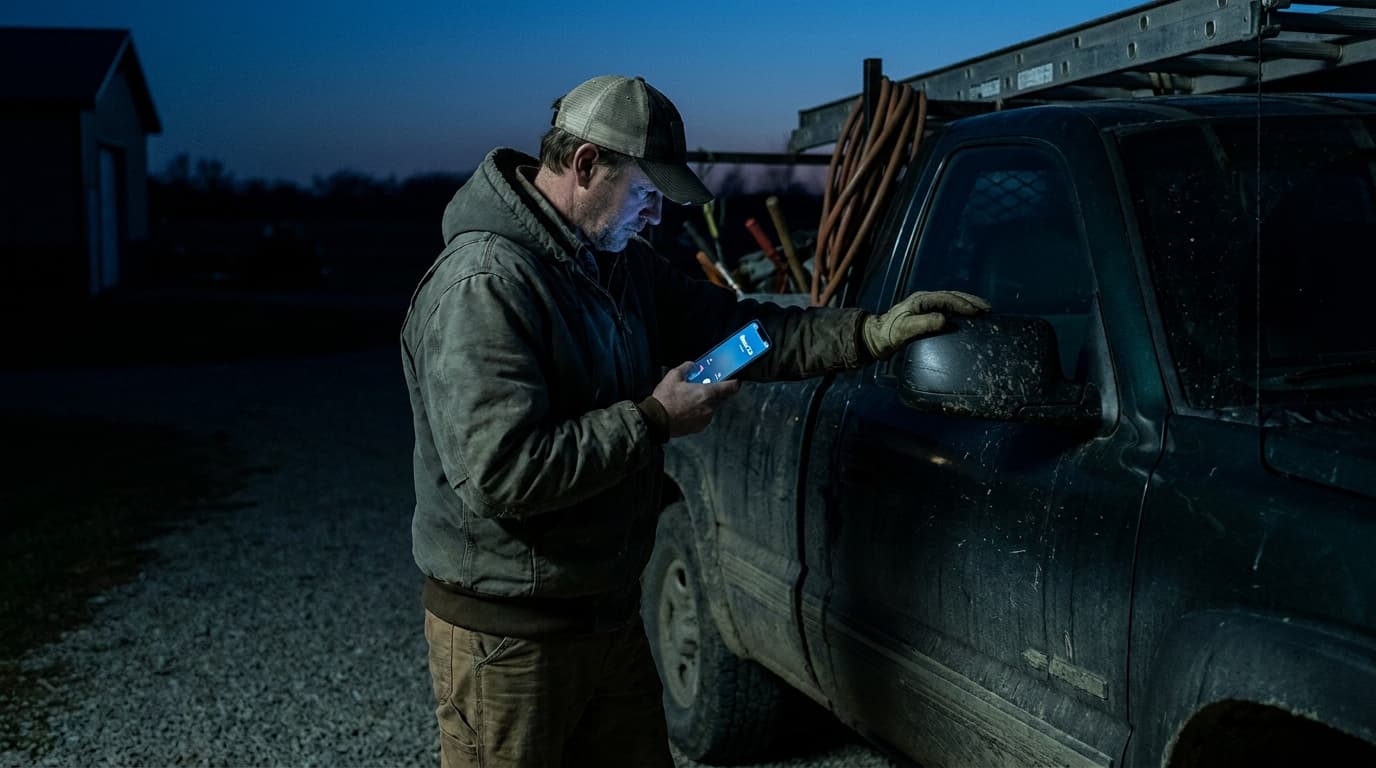
If you run a plumbing, HVAC, electrical, or septic business in Northwest Arkansas, here's something worth knowing: 48% of calls to home-service businesses go unanswered (Invoca, 2026). Not calls that go to voicemail and get returned. Calls that just go unanswered, full stop.
That's the third link in the chain — Be Reachable — and it's the one almost nobody in local marketing writes about, because it isn't something an agency can sell you. It doesn't show up as a ranking or a review count. It's just whether the phone got picked up, or whether the form somebody filled out at 9pm actually went somewhere. For emergency and urgent trades especially — the ones a homeowner in Rogers or Bentonville calls the moment something breaks — this is often the weakest link.
Key Takeaways
- Firms that called a web lead back within an hour were nearly 7x more likely to qualify it than firms that waited one more hour (Harvard Business Review, 2011)
- 48% of calls to home-service businesses go unanswered (Invoca, 2026)
- 69% of missed business calls get no callback within 48 hours (Quo, 2026)
- Contact odds on a fresh lead drop sharply in the first 30 minutes, not the first day
- I can get the phone to ring. What happens on the call is yours — this link in the chain is the one I can only partly fix for you

On the other end of a missed call, someone has already decided to hire you and is waiting for you to pick up.
Why Does This Link in the Chain Get Ignored?
Be Found and Be Trusted are both things an agency can sell you: better rankings, more reviews, a sharper profile. Be Reachable is different. It happens after someone has already decided to hire you — the phone rings, or the form gets submitted — and what matters next is what you do in the following few minutes, not what shows up in a search result. That's hard to package as a monthly service, which is probably why almost nobody covers it. It doesn't make it any less costly to ignore.
Here's the honest boundary on this one: I can get the phone to ring. What happens on the call is yours. That doesn't mean there's nothing useful to say about it, though — the fix here is operational, not algorithmic, and most of it costs nothing but attention. For where the other two links in the chain fit, see the local SEO field guide for NWA contractors.
What Happens When a Lead Doesn't Get a Fast Response
Firms that called a web lead back within an hour were nearly 7 times more likely to qualify it than firms that waited even one more hour, and more than 60 times more likely than firms that waited a full day (Harvard Business Review, 2011, based on an audit of 2,241 companies and a separate analysis of 1.25 million real sales leads). Most businesses don't come close to that window. Only 37% of the companies in the study called back within an hour. 23% never called back at all.
An older, smaller study puts an even sharper number on the first half hour: odds of actually reaching a lead fell 100x when the callback happened at 30 minutes instead of 5, and odds of qualifying that lead fell 21x over the same window (MIT/InsideSales.com Lead Response Management Study, 2007). That one was funded by a lead-response vendor, so treat the exact multipliers as directional rather than precise. But both studies point the same direction — the clock starts the moment someone tries to reach you, and it moves fast.
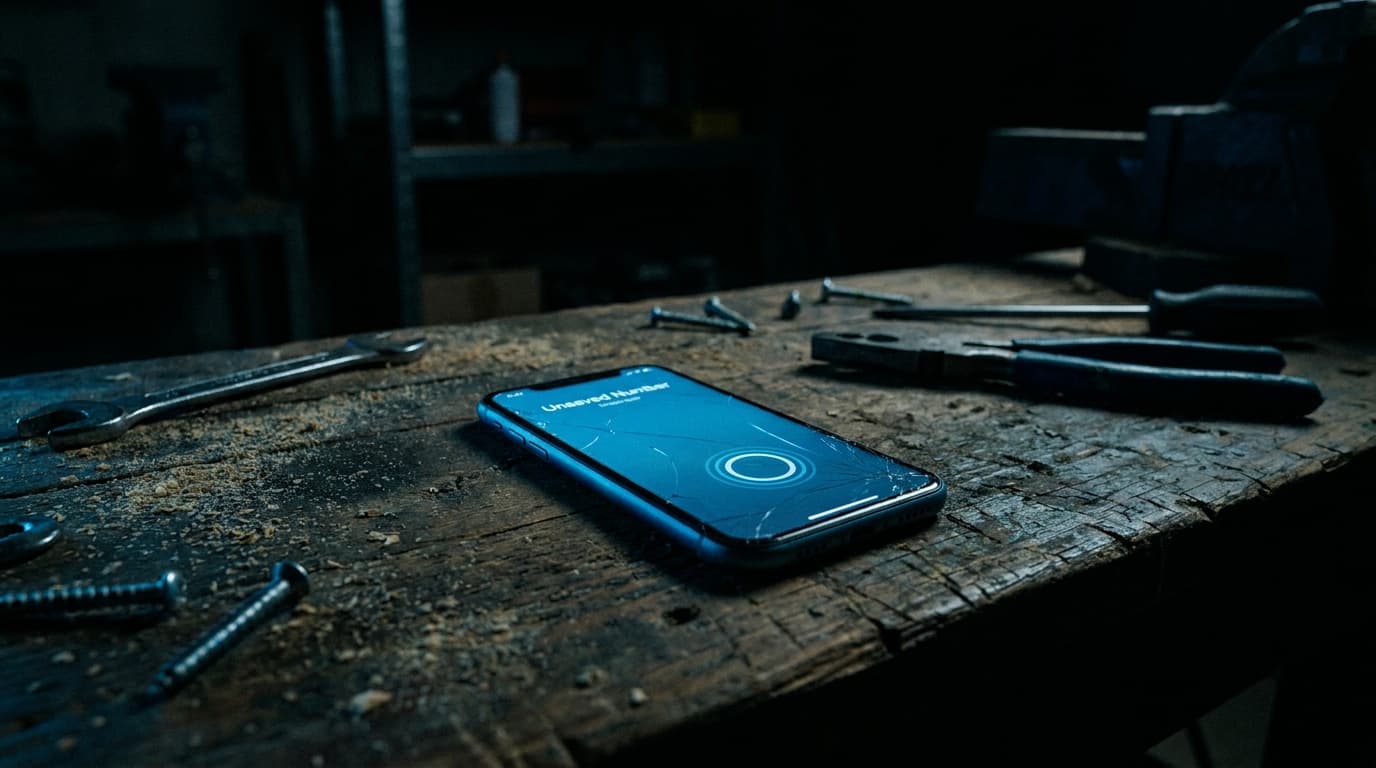
Somewhere on a bench, a phone is ringing. Whether anyone hears it is the whole question this link in the chain is about.
How Fast a Lead Goes Cold — MIT/InsideSales.com Lead Response Management Study, 2007
How Many Calls Are Even Getting Answered
Before response speed matters, the call has to get answered in the first place. Two datasets put a number on that, and they disagree with each other:
| Source | Home-services missed-call rate | What it's measuring |
|---|---|---|
| Invoca Home Services Call Conversion Benchmarks Report, 2026 | 48% unanswered | Home-services-only call tracking; answer rate climbs to 65% once a call runs 15+ seconds |
| CallRail, reported via Plumber Magazine, 2025 | 14% missed | Mixed-industry lead dataset (1.1M leads); well below healthcare (32%) and legal (28%), though real estate is lower still at 9% |
The gap exists because the two studies are counting different things, on different platforms, with different definitions of "missed." Worth naming honestly rather than picking whichever number sounds worse. What both agree on is the direction: a meaningful share of calls to contractors never get picked up, and most contractors don't know their own number until somebody actually checks.
The Form Is Worse, Not Better
If a missed call is bad, a contact form can be quieter and worse. There's no ring, no missed-call notification — just a message sitting in an inbox until someone opens it. The closest data on what happens next comes from a behavioral study of 16.7 million actual missed calls: 69% got no callback at all within 48 hours, and only 31% got any callback, most of those within the first 24 (Quo, formerly OpenPhone, 2026). A form has even less urgency attached to it than a missed call does. Nothing rang, nothing buzzed, nothing tells you it's sitting there.
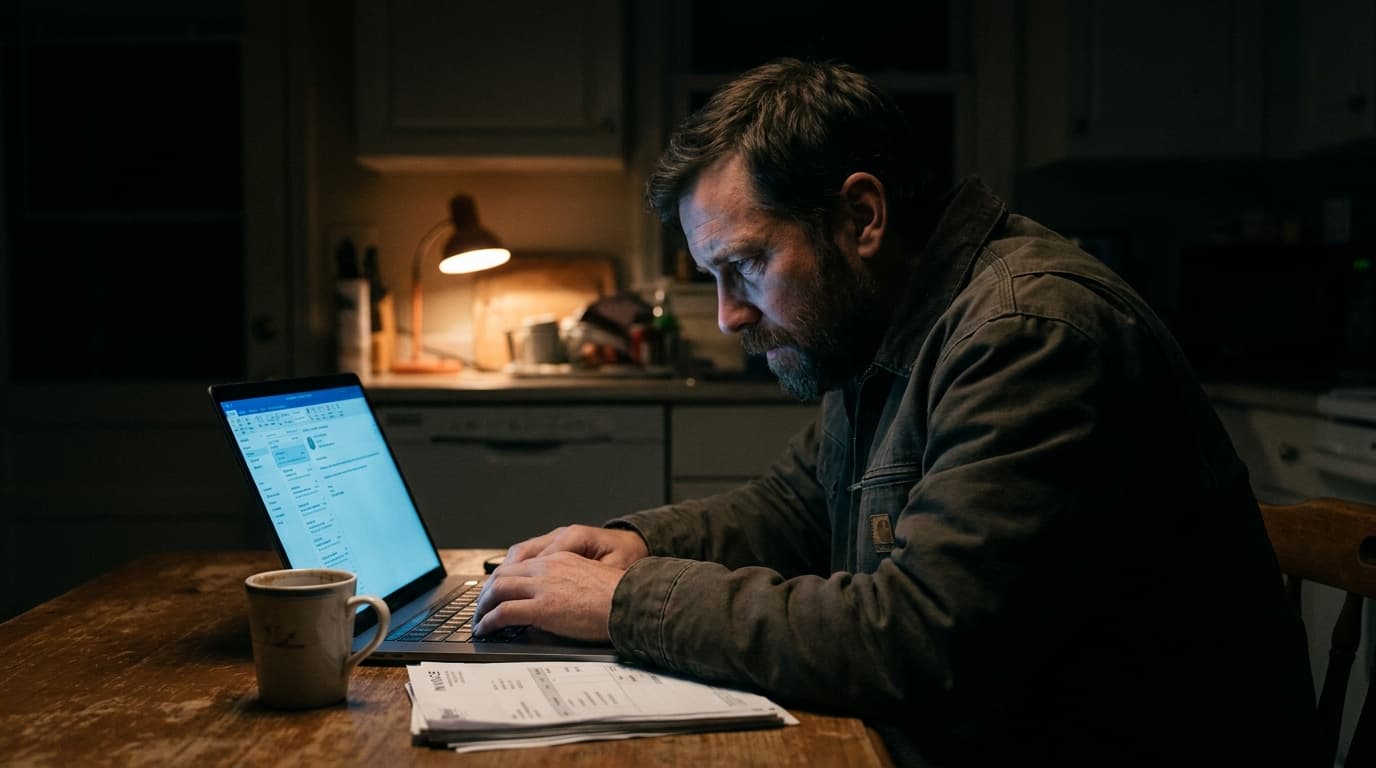
By the time the form gets checked, the customer has usually already called somebody else.
What Happens After a Missed Call — Quo, 2026
What To Actually Do About It
None of this needs new software. It needs a habit, the same way the review system in an earlier post does.
- Forward your business line — If a call to your number doesn't ring somewhere you'll notice within a minute, that's the first thing to fix, before anything about your website or your form.
- Check your contact form on a schedule — Once a day at minimum, twice if you can. If it emails you, make sure that inbox isn't the one you already ignore.
- Text back before you can talk — If you can't answer, a one-line text like "Saw your message, I'll call you back tonight" keeps you ahead of the next name on the customer's list, even before you've solved anything.
- Treat the first hour as the whole game — Same-day isn't fast enough, and next-day is often too late to matter. The data above says that from three different directions.
Frequently Asked Questions
How fast should I call back a missed lead?
Aim for under five minutes. Firms that called web leads back within an hour were nearly 7 times more likely to qualify them than firms that waited even one more hour, and over 60 times more likely than firms that waited a full day (Harvard Business Review, 2011). Speed beats almost everything else you could do instead.
Is a contact form actually worth having on my website?
Yes, but only if something checks it fast. A form is just a message with no ringing phone attached, so it's easy to leave sitting unread for hours. Route submissions to an email or number you actually check, or pair the form with a phone number people can call directly instead.
What's a realistic response-time goal for a one-person crew?
Same-day isn't good enough for emergency trades. Contact odds fall sharply after the first 30 minutes on a new lead. A callback within an hour — even a quick "got your message, calling you back tonight" — keeps you in the running while the customer is still deciding who to hire.
Should I hire an answering service or virtual receptionist?
Only if you genuinely can't answer during work hours. Nearly half of calls to home-service businesses go unanswered (Invoca, 2026), and most of those never get a callback within 48 hours. A live answer or a fast, personal callback matters more than which tool produces it.
What to Do Right Now
Pick up your phone and call your own business number from a different line. See how many rings it takes, where it goes, and whether you'd have picked it up if you were mid-job on a roof or under a sink. Then check your contact form's inbox — right now — and see what's sitting there unanswered.
If you don't know how many calls or form submissions you're actually losing this way, that's worth finding out before you spend money on anything else. I go through all three links in the chain by hand, including this one, and tell you which is actually costing you the most.